Begin with the outcome
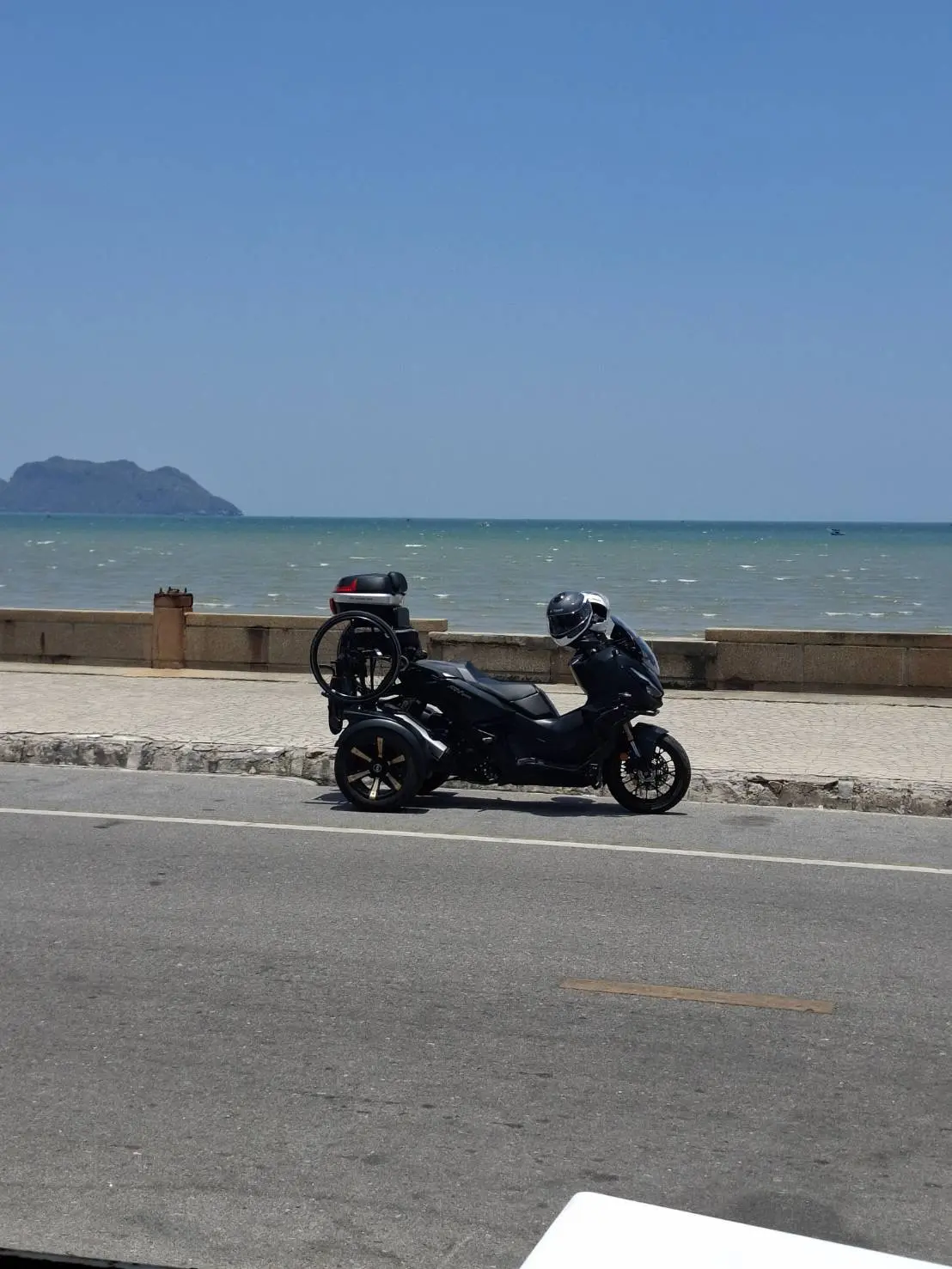
Explain what riding would allow you to do: travel independently, carry a wheelchair, ride with a passenger, return to a familiar hobby or simply move around Hua Hin more confidently. The intended outcome guides the engineering conversation.
Describe movement without over-sharing
Useful information includes how you transfer, which limbs comfortably operate controls, seating support, reach and fatigue. You do not need to provide a full medical history. Disability and health information can be sensitive personal data; share only what is needed for the assessment.
- Mounting and dismounting
- Hand and foot control range
- Seating, balance and support
- Wheelchair or mobility-device transport
- Passenger or caregiver requirements
Expect a solution shaped around the rider
Adaptive controls and access solutions should be fitted around the rider and validated in use. A project may involve hand or foot-control changes, seating, support fittings, reverse assistance or a wheelchair-accessible sidecar configuration.
Plan for refinement after handover
Real use can reveal small adjustments that were not obvious in the workshop. Agree how follow-up checks, service and any fitting refinements will be handled before the vehicle is delivered.
This guide is general information, not a quotation, medical advice or a guarantee of registration or road legality. The motorcycle, rider and jurisdiction must be assessed individually.